
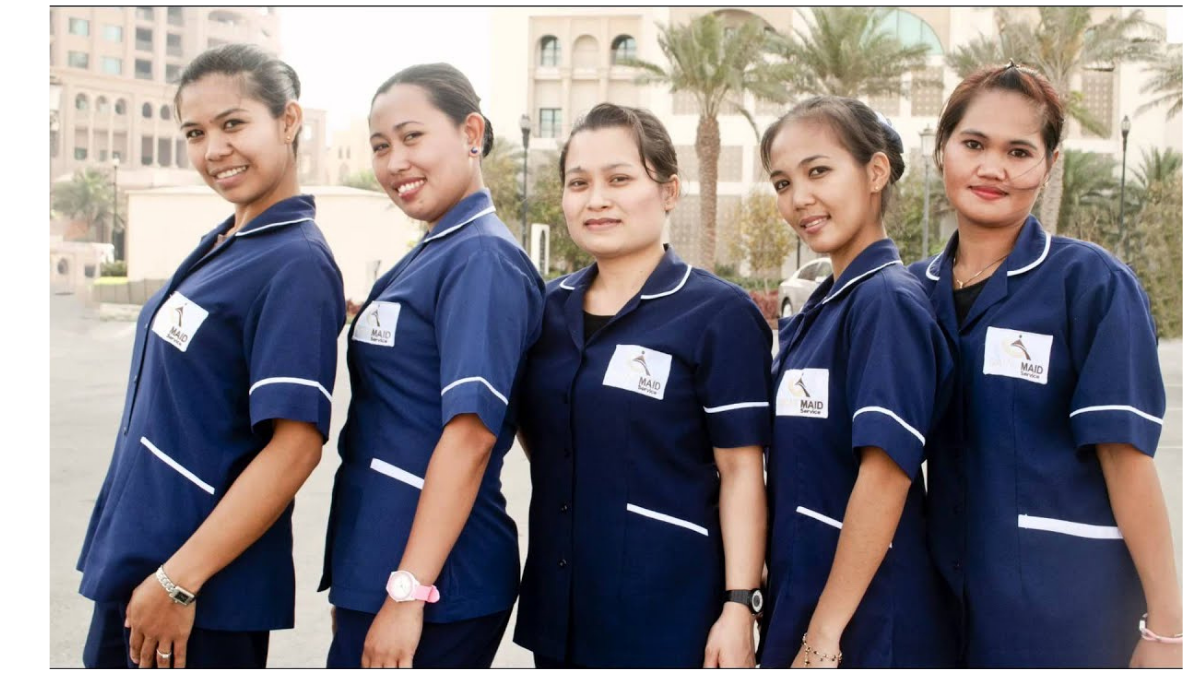
Ask anyone who has worked as a housemaid in Doha, and they will tell you the same thing: the job is rarely about the work itself. It is about the household you land in. Qatar family maid jobs attract thousands of applicants from South Asia, Southeast Asia and Africa every year, because the demand is steady and the pay, while modest, is regular. But steady does not mean simple. This guide walks through the eligibility, duties, pay, and the practical steps worth knowing before you commit to anything.
Job Overview
A family maid in Qatar, also called a domestic worker or housemaid, is hired by a private household to handle daily home tasks. The employer is a family, not a company, and that one fact changes almost everything about the job. Your schedule, your workload, and even the atmosphere at home depend on the people you work for.
Here is the basic picture:
- Position: Family maid / housemaid / domestic helper
- Employer type: Private household (Qatari or expatriate families)
- Location: Doha, Al Rayyan, Al Wakrah, Lusail, Umm Salal and other residential areas of Qatar
- Job type: Full-time, usually live-in, on a fixed-term contract (commonly two years, renewable)
- Hiring route: Licensed recruitment agencies, or direct hiring by the family through approved channels
Most openings are for live-in maids, meaning accommodation is provided inside or beside the family home. Some families look for a part-time or live-out helper, though these are less common for overseas hires. Households with small children or elderly members tend to hire more often, and they usually want someone who is patient above all else.
Eligibility and Requirements
This is the part most applicants rush through, and it is exactly where problems start. Employers and recruitment agencies in Qatar look at several things at once, and missing one item can stall the whole process. Let’s go through them properly.
Age
Most agencies prefer candidates between roughly 25 and 45 years old. Some accept slightly younger or older applicants, but the sweet spot is clear because families want someone physically fit and mature enough to run a household calmly. Age limits can vary by the sending country’s own rules, so always check yours. Anyone under 18 cannot be legally employed in this role.
Education and Basic Literacy
You do not need a degree. A formal school certificate is not usually mandatory either. What matters is that you can follow instructions, read basic labels (cleaning products, medicine timings, appliance buttons), and write down simple messages. If you can read in your own language and understand simple English or Arabic words, you are already ahead.
Language Skills
Language is one of the most underrated requirements. You do not need fluent Arabic. But knowing a few hundred everyday words, such as kitchen items, greetings, time, and common instructions, makes the first month far smoother. Basic English helps a lot when the family is expatriate. In my view, a candidate who spends even three weeks learning simple Arabic phrases before travelling is more employable than one with ten extra certificates.
Experience
Previous housekeeping experience helps, and many families ask for it, especially in cooking, childcare, or elderly care. Fresh candidates are still accepted by some agencies, particularly those that run short training programs. If you have worked in a Gulf household before, mention it clearly because it signals that you already understand the culture and the pace.

Skills Employers Look For
- Cleaning and laundry: Sweeping, mopping, dusting, washing, ironing, and organising wardrobes properly.
- Cooking basics: Not restaurant-level, but simple, clean meals. Knowing halal food rules and how the family likes things done matters here.
- Childcare: Feeding, bathing, school drop routines, and watching kids safely. Patience counts more than formal training.
- Elderly support: Helping with movement, meals, and reminders. This is a plus, not always a must.
- Time management: A household runs on routine. Learning the family’s rhythm quickly is a real skill.
Health and Physical Requirements
Housework is physically demanding. You will be on your feet, lifting, bending, and moving for most of the day. A medical fitness test is a standard step for Qatar work visas, covering general health screening and routine checks. Candidates who fail the medical for any reason cannot continue with the visa process. Honest preparation, like getting a basic checkup at home first, saves money and heartbreak later.
Documents You Will Need
Keep everything organised in one folder, physical and digital:
- Valid passport: Ideally with at least a year or more of validity remaining. Many agencies want longer.
- Passport-size photographs: With the background colour specified by the agency.
- Medical report: From an approved clinic, as per your country’s requirements.
- Police clearance certificate: Many countries require this before emigration.
- Educational or training certificates: If available, even short training certificates add value.
- Previous work proof: Experience letters or references, if you have worked as a maid or caregiver.
- National ID and other emigration papers: As required by your home country’s labour authority.
One firm warning: your passport stays with you. In Qatar, employers are not allowed to hold a worker’s passport. If anyone asks to keep it, treat that as a red flag and report it to the relevant authority.
Personal Qualities
Honestly, this is what separates a good placement from a rough one. Honesty, cleanliness, respect for privacy, and the ability to stay calm when things get busy. You will live close to a family, so adaptability and a respectful attitude toward their customs and religion are part of the job, whether or not it is written in the contract.
Responsibilities of a Family Maid
Duties differ from house to house, but the core list is fairly consistent. The contract you sign should state your duties clearly, so read it before you travel.
Typical daily tasks include:
- Cleaning bedrooms, bathrooms, kitchens, and living areas
- Washing, drying, folding, and ironing clothes
- Preparing meals or helping in the kitchen
- Washing dishes and keeping the kitchen tidy
- Looking after children, including feeding and playtime supervision
- Grocery help and basic errands when the family asks
- Caring for the elderly in some households
- Keeping the home organised, including closets and storage areas
Some jobs add light tasks like watering plants or caring for a small pet. What is not part of the standard role: working for multiple households, doing heavy outdoor labour, or working without proper rest. Domestic workers in Qatar are protected by a specific labour law that sets limits on working hours and guarantees rest time, which is worth knowing before you accept any offer.
Salary and Benefits
Pay for family maids in Qatar varies based on the agency, the family, your experience, and the contract terms. Qatar introduced a non-discriminatory minimum wage that also covers domestic workers, with additional allowances for food and housing if those are not provided directly. Because wage rules get updated, treat any number you read online, including here, as a starting point and confirm the current minimum with official Qatari labour sources.
Beyond the monthly salary, a proper contract typically includes:
- Accommodation: Provided by the employer for live-in workers
- Food: Provided, or paid as an allowance
- Medical coverage: Healthcare access as required by law
- Weekly rest day: A full day off every week
- Paid annual leave: Several weeks of paid leave after a qualifying period
- Return air ticket: Usually arranged by the employer under contract terms
- End-of-service benefit: Payable after completing the contract period, as per law
Be careful with anyone promising a very high salary for “easy work”. If an offer sounds far above the average, ask why. A realistic expectation is a modest but dependable monthly income, with the ability to send money home regularly. Many workers say the real savings come from low spending, since food and housing are covered.

Application Process and Guidelines
Think of this as a checklist, not a shortcut. The goal is to avoid mistakes that cost money or time.
1. Choose a licensed channel. Only work with recruitment agencies that are officially registered in your country and approved for Qatar placements. Ask for their license number and verify it with your government’s overseas employment office.
2. Get your documents ready early. Passport renewal, medical reports and police certificates take longer than people expect. Starting a month before applying is a smart habit.
3. Fill in forms carefully. Whether the agency uses paper forms or an online system, your name, date of birth and passport details must match exactly. A single spelling difference can delay a visa for weeks.
4. Read the contract slowly. Check salary, working hours, rest days, contract length, and who pays for travel. If something is unclear, ask for it in writing. Keep a copy.
5. Respect the deadline. Agencies often fill positions quickly, and employers lose interest when applicants go silent. If you cannot continue, tell the agency instead of disappearing.
6. Prepare for the interview. Interviews are usually short, often through video call or agency screening. Expect simple questions about your experience, your reasons for working abroad, and how you handle common household situations. Answer honestly. A calm, clear answer beats a rehearsed one every time.
7. Understand pre-departure rules. Many countries require an orientation or training session before you leave. Attend it. It often covers your rights, emergency contacts, and what to do if something goes wrong.
One more thing on fees: Qatari rules place recruitment costs on the employer, not the worker. If you are being asked to pay large “visa fees” or “placement charges”, pause and check with your local labour authority before sending a rupee.
Life as a Maid in Qatar: What Nobody Tells You
Here is the part that doesn’t show up in job ads. The first few weeks are often the hardest. New kitchen, new language, new routine, and a family who is also adjusting to you. Many maids say the turning point comes around the second month, when expectations settle and a rhythm forms.
A few small habits help. Write down the family’s preferences in a notebook (how they like tea, what time kids sleep, which cloths for which surface). Keep your phone charged and your emergency contacts saved, including your embassy and your agency. Make friends with other workers in your community when you get time off, because a support network matters more than people admit.
Qatar’s labour market for domestic work has been changing as well. Reforms in recent years have focused on worker protections, contract transparency, and the removal of exit-permit barriers. The direction is toward more rights, but practice still depends on awareness. Knowing your rights is not being difficult. It is just being prepared.
Frequently Asked Questions
Do I need Arabic to get a family maid job in Qatar?
Not necessarily. Most agencies accept applicants with little or no Arabic, but basic words help you settle in faster and communicate with the family. Even simple English can be enough for many households.
Can a fresh candidate without experience apply?
Yes, some agencies accept new candidates, especially those who complete short housekeeping training. Having experience improves your chances, but a good attitude and willingness to learn count too.
Who should pay for the visa and ticket?
Under Qatari rules, recruitment-related costs are the employer’s responsibility. If you are being asked to cover large fees yourself, verify with your home country’s labour office before paying.
Conclusion
Qatar family maid jobs can offer stable income and a chance to support your family back home, but only if you go in with clear eyes. Understand the requirements, keep your documents in order, read your contract line by line, and use only licensed channels. The work is demanding, the first month is an adjustment, and not every household is the same. Still, with preparation and realistic expectations, many workers build a steady and respectful working life there.